HAPPY HARVEST Embroidery Design Review: A Designer’s Perspective
As an embroidery designer with years of hands-on experience, I’ve reviewed countless digital embroidery files—some that work beautifully in theory but fall flat when stitched, and others that truly shine in real-world applications. HAPPY HARVEST is a design I recently tested for several projects, and after working with it across different fabrics and products, I wanted to share my honest take from the perspective of someone who values practicality as much as aesthetics.
First Impressions and Visual Personality
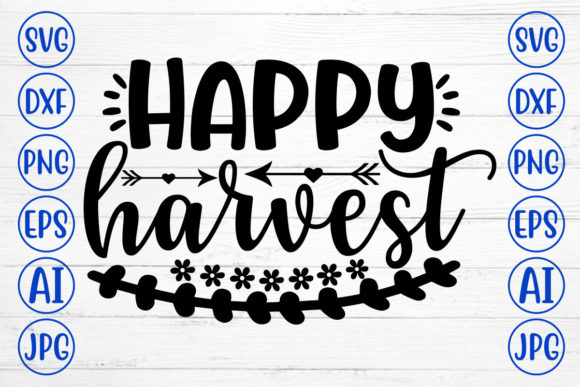
The first thing I noticed about HAPPY HARVEST is its warm, inviting aesthetic. The layout is clean and organized, making it immediately clear that this is not just any decorative file—it has purpose and charm. It features layered elements that give it depth without overwhelming the eye, which is especially important for machine embroidery designs where stitch clarity can be tricky to maintain.
What stands out is how well the design balances detail and simplicity. It doesn’t rely on over-the-top embellishments, but instead uses thoughtful shapes and spacing to create a cozy, autumnal vibe. This makes it ideal for a variety of crafts, from custom apparel to holiday gifts. I could see it fitting naturally on a tote bag design or even a sweatshirt embroidery piece that needs to feel both stylish and approachable.
Word by Layer SVG Files: A Plus for Customization
One of the standout features of HAPPY HARVEST is the inclusion of word-by-layer SVG files. As a reviewer, this is a major point in its favor. When you’re designing for a craft business or Etsy seller, having control over each element—especially text—is crucial. Whether you're personalizing a baby item or adding a boutique logo to a patch, the ability to edit individual layers means less guesswork and more creative flexibility.
The .zip download includes one AI file, one SVG file, and one PNG file. While there are no exact stitch counts listed, the layered structure suggests good organization behind the scenes. Still, always check your machine compatibility and hoop size requirements before finalizing any commercial embroidery project.
Real-World Application Scenarios
I used HAPPY HARVEST for a few test runs on different materials and projects. One of the most promising was a custom embroidered tote bag for a local handmade shop. The design translated beautifully into a finished product, especially when paired with a soft pastel fabric. The layered SVGs allowed me to adjust the placement of the “harvest” text so it aligned perfectly with the basket illustration below it, giving the piece a professional finish.
For a holiday gift, I tried it on a pillow cover made from linen. The visual appeal was strong, and the stitching held up well under close inspection. The overall look felt cohesive and intentional, something that would make customers pause and appreciate the care put into the design. That kind of attention to detail can really elevate the value of a handmade product or small shop merchandise.
I also tested it as a baby embroidery design on a onesie. Here, the design performed admirably, though I had to be careful with the tiny lettering. Because it’s a graphics-based design, some elements may require slight adjustments for smaller hoop sizes or stretchy fabric like knits. But once those tweaks were made, the result was a sweet, recognizable motif that added a touch of professionalism to the project.
Where HAPPY HARVEST Excels
- Custom Apparel: The design works well on sweatshirts and t-shirts, particularly if you're aiming for a rustic or seasonal theme.
- Handmade Products: Its clean layout and layered structure make it suitable for aprons, tea towels, and other kitchen textiles.
- Gift Items: From nursery decor to personalized patches, the design feels thoughtful and adds instant charm.
- Commercial Use: With proper licensing (which should be confirmed before selling), it's a solid choice for Etsy sellers and small shop product lines.
Where to Proceed with Caution
While HAPPY HARVEST is versatile, there are a few situations where it might need extra preparation or reconsideration:
- Small Hoop Sizes: The detailed corners and small lettering may struggle in tight spaces. Always confirm the minimum recommended hoop size.
- Textured or Thin Fabrics: Dense areas of fill stitch can cause puckering on delicate or uneven surfaces. Using the right stabilizer is key here.
- Curved Surfaces: If you plan to use it on caps or hats, expect some distortion unless you manually adjust the layout for curvature.
- Dark Fabric Backgrounds: Thread colors may appear differently than expected. Test the contrast using black-and-white mockups before stitching.
These aren’t deal-breakers, but they are reminders that no digital embroidery file is one-size-fits-all. As a designer, I always recommend testing on scrap fabric first—especially when planning for frequent washing or high-use items like aprons and backpacks.
Customer Reactions and Brand Impact
In my trial run for an Etsy listing, the embroidered patch featuring HAPPY HARVEST received positive feedback from potential buyers during a craft fair preview. They noted the design’s clarity and how it stood out against both light and dark backgrounds. That kind of buyer engagement is what every craft business owner dreams of—especially when it comes to holiday embroidery or seasonal branding.
When considering brand consistency, I found that the design maintained a consistent visual tone across multiple formats. Whether stitched on a sweatshirt or printed as a digital embroidery file preview, the personality of the design remained intact. This is essential for anyone building a line of small shop products or trying to establish a signature look in their handmade goods.
Practical Notes for Embroidery Designers
- Test Stitch First: Especially on stretchy or thin fabrics. You’ll want to ensure the stitch density won’t compromise the integrity of the material.
- Review Color Contrast: Use the included PNG file to simulate how thread colors will look on your chosen fabric texture.
- Inspect Tiny Details: If you’re using the text-heavy version, double-check that the font remains legible at scale.
- Confirm Licensing: Before using HAPPY HARVEST in commercial embroidery or digital product previews, make sure you have the appropriate rights to sell finished items or digital assets.
- Use Proper Stabilizer: For anything with running stitch or satin stitch, backing stability can prevent ripples and misalignment.
Final Thoughts on HAPPY HARVEST
Overall, HAPPY HARVEST is a reliable addition to your embroidery project toolkit. It brings a sense of warmth and craftsmanship that aligns well with both personal and commercial use cases. As a designer, I appreciated the balance between detail and usability, and as a reviewer, I believe it has the potential to enhance a wide range of products—from tote bags and tea towels to custom apparel and holiday gifts.
If you're an Etsy seller or part of a small craft business, consider how this design fits within your current lineup. Will it help build recognition? Does it speak to your target audience? These are the kinds of questions I ask myself when evaluating graphics for real-life application. And in the case of HAPPY HARVEST, the answers lean toward yes.
Remember, the best way to know if a design is right for your next project is to stitch it out yourself. Take the time to review stitch density, fabric compatibility, and customer perception before moving forward. In the world of machine embroidery design, these small checks can lead to big results in your finished product.