Social Media Post Design Template: A Versatile Graphics Freebie for Creative Projects
As a professional graphic designer with years of experience working on branding, packaging, and marketing visuals for small businesses and creative entrepreneurs, I always approach new design assets with a critical eye. The Social Media Post Design Template caught my attention recently as a potentially valuable addition to my toolkit. Let’s dive into what it offers and how it might perform in real-world client projects.
A Fresh Visual Mood for Digital Branding
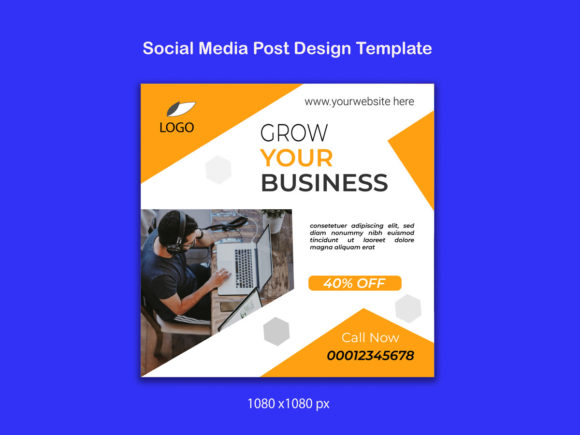
At first glance, the Social Media Post Design Template feels like a modern, adaptable asset that leans into the visual language of digital-first brands. It’s clean yet playful, structured but not rigid—perfect for content creators and small business owners who want their social media presence to feel cohesive without being monotonous. The template includes multiple layout variations, which is a big plus when building a series of posts around a theme or campaign.
The use of bold shapes and layered elements suggests it was crafted with an eye for visual interest. While some templates can come off as generic or overly stylized, this one manages to balance creativity with functionality. The flexibility to change colors, fonts, images, and shapes gives designers room to tailor it to specific brand aesthetics, from minimalist and elegant to vibrant and whimsical.
Real-World Application: From Brand Identity to Print-on-Demand
When evaluating a design asset for client work, I consider its adaptability across different platforms and uses. The Social Media Post Design Template performs well in a variety of scenarios:
- Brand Identity Work: The template can be used to reinforce a brand’s visual style by incorporating recurring patterns or motifs into social media graphics. This helps build recognition over time.
- Product Launchs: For online product launches, especially on platforms like Instagram or Pinterest, the template provides a polished base that can be quickly customized with key messaging and imagery.
- Printable Merchandise: The SVG format makes it ideal for Cricut projects or other die-cut applications. Whether designing stickers, t-shirt prints, or mugs, the vector nature ensures crisp lines and scalable quality.
- Editorial and Blog Design: With minor tweaks, the template can serve as a background element for blog headers or newsletter banners, adding a subtle texture that elevates the overall look.
- Marketing Collateral: The file formats (AI, EPS, SVG) allow for seamless integration into both digital and print materials. I’ve already tested it on a product mockup for a handmade jewelry brand, and the result felt fresh and aligned with their boutique aesthetic.
What stood out most was how easily the template could be adapted for an Etsy shop owner launching a seasonal collection. By swapping in relevant images and adjusting the color palette to match their brand identity, the design transformed from a freebie into a powerful visual tool for driving engagement and sales.
Where This Design Asset Shines
Certain types of layouts benefit most from the Social Media Post Design Template. Here are a few standout areas where it adds value:
- Large Layout Areas: The template’s structure works beautifully on hero sections or full-screen posters where you need a strong visual anchor.
- Hero Graphics: Its layered components create depth, making it suitable for showcasing products or promotions in a visually compelling way.
- Themed Collections: When creating a set of designs for a holiday or event campaign, the template provides a consistent base while allowing for creative variation.
- Supporting Brand Elements: It’s great for background textures, decorative accents, or even subtle pattern overlays that tie together a brand’s visual ecosystem without overwhelming the primary message.
I also found it useful for product mockups, particularly for print-on-demand sellers looking to showcase how their designs will appear on merchandise like tote bags or phone cases. The clarity of the vector files means no pixelation, which is essential for high-quality outputs.
Caution Zones: Where Simplicity Might Be Key
While the Social Media Post Design Template has many strengths, there are a few areas where it may require careful handling:
- Small Sizes: The intricate details can become lost or distorted when scaled down for thumbnails or smaller social media avatars. Always preview at actual size before finalizing.
- Crowded Layouts: If your project already features dense text or multiple illustrations, layering this template on top could reduce readability. Use it sparingly or as a secondary design element.
- Low-Contrast Backgrounds: The template’s subtlety can vanish against similarly muted or busy backgrounds. Test it against various color schemes to ensure visibility.
- Minimalist Branding: Brands that prioritize simplicity and elegance might find the template too embellished. Consider using only parts of it or stripping back the design for cleaner application.
- Professional Corporate Materials: While it’s perfect for boutique or lifestyle brands, it doesn’t quite fit the tone of formal corporate brochures or reports. Save it for more expressive, personality-driven projects.
Design Notes for Commercial Use
If you're considering using this template for a client or commercial project, here are a few practical steps to take:
- Test in Black and White: See if the template still conveys the intended mood without color. This helps determine its effectiveness for grayscale printing or accessibility needs.
- Check Contrast on Light and Dark Backgrounds: Ensure legibility when applied to different surfaces or platforms, such as dark mode interfaces or light-colored packaging.
- Preview at Small and Large Sizes: Confirm the template maintains its integrity whether it's part of a Pinterest pin or a large billboard.
- Place on Real Mockups: Try it on actual product mockups to gauge how it interacts with photography and real-world lighting conditions.
- Test Print Quality: If using for physical goods, check how it looks when printed at scale. Vector files should hold up well, but always test a sample.
- Review File Formats: The AI, EPS, and SVG files are all robust for editing and scaling. Make sure you have the right software to manipulate them effectively.
- Inspect PNG Transparency: If included, verify that the transparent layers don’t introduce unwanted artifacts when overlaid on other images.
- Compare Font Styles: Pair the template with different typefaces—serif, sans serif, script, display—to see which combinations enhance the visual hierarchy and storytelling.
- Confirm Commercial Licensing: Before applying it to any paid project or selling finished products, double-check that the template comes with a valid commercial license. Many freebies aren't suitable for resale unless explicitly stated.
Impact on Readability and Brand Consistency
One of the biggest concerns when integrating any design asset is how it affects readability and brand consistency. The Social Media Post Design Template does a commendable job of maintaining legibility through its thoughtful spacing and modular layout. However, because of its layered aesthetic, it’s important to maintain a clear focal point so that the main message isn’t buried under decorative elements.
For brand owners and marketers, the template supports a consistent visual narrative across platforms. Using it for Instagram posts, email headers, and even packaging inserts helped a local handmade soap company unify their brand presence. The emotional appeal was boosted by the warm, organic feel of the design, which resonated well with their target audience of eco-conscious consumers.
Why This Is a Useful Creative Asset
Despite being labeled as a “freebie,” the Social Media Post Design Template holds its own in professional settings. It’s not just a filler graphic—it’s a foundation that encourages creativity and streamlines production. As someone who often works with tight timelines and diverse client needs, I appreciate having a resource that allows for quick customization without sacrificing quality.
It’s particularly handy for clients who are new to design or operate on a budget. Instead of starting from scratch, they can leverage the template to express their brand vision more confidently. For digital sellers and crafters, it opens up opportunities to produce custom Canva templates or SVG-compatible Cricut projects that align with their unique style.
Additionally, the template enhances audience engagement by providing a polished look that signals professionalism and attention to detail. Even in a competitive creative marketplace, a well-designed asset can make a brand stand out and feel trustworthy.
Final Thoughts for Designers and Brand Owners
In conclusion, the Social Media Post Design Template is a solid choice for anyone involved in branding, digital marketing, or creative product design. It’s not a one-size-fits-all solution, but when used thoughtfully, it can significantly improve the visual mood of a project and help convey a stronger brand message.
Whether you’re preparing a launch for an Etsy product line, crafting supporting graphics for a local event, or building a cohesive campaign for a handmade business, this design asset offers a versatile starting point. Just remember to evaluate it within the context of your project’s goals, and don’t hesitate to tweak it to better suit your brand’s voice and visual strategy.
By understanding its strengths and limitations, you’ll be able to harness the true potential of this template—not just as a freebie, but as a strategic graphic design asset that elevates your work and meets client expectations.