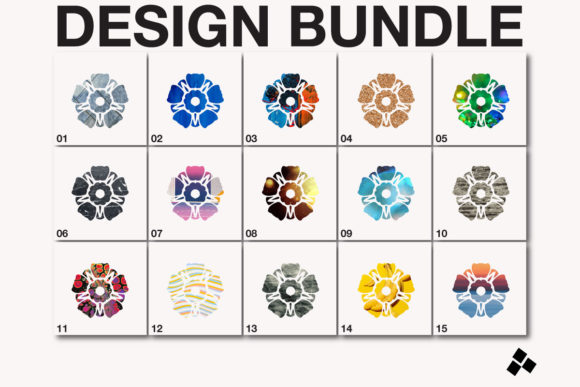
Sublimation Flower Design: A Versatile Graphics Asset for Editorial and Web Use
Real-World Publishing Applications
- Blog Featured Images: When used as a background or overlay on a website header, this design helps create stronger first impressions. The high-resolution PNGs (3000 x 3000 pixels) ensure clarity at large sizes, making them ideal for hero sections.
- Pinterest Pin Graphics: With its layered composition and transparent background options, this design allows for clean, eye-catching Pinterest visuals. Pairing it with bold headlines and contrasting colors can boost click-through potential significantly.
- Newsletter Banners: The grouped and layered files make it easy to customize the flower motifs to match your brand identity. Whether you're using it as an accent or a full background, it brings warmth and personality to email headers.
- Downloadable Resources: For digital guides, worksheets, or lead magnets, this flower design adds a touch of sophistication that signals quality. Readers are more likely to trust and engage with content when it looks polished and well-designed.
- Social Media Previews: From Instagram posts to YouTube thumbnails, the Sublimation Flower Design can help establish a consistent visual language across all channels. It supports both minimalist and decorative aesthetics depending on how it's applied.
Supporting Content Performance
Stronger First Impression: In the fast-moving world of digital publishing, the first few seconds are crucial. This design’s soft, flowing lines invite engagement and signal creativity and care.
Better Visual Hierarchy: When placed behind text elements or used as a subtle watermark, it helps guide the reader’s eye toward key messages. The transparency and layering allow for seamless integration with typography.
Improved Brand Recognition: Using the same floral motif across blog headers, newsletter templates, and social media graphics builds a cohesive brand identity. This consistency is essential for small business branding and affiliate marketers looking to stand out.
More Professional-Looking Pages: Even if you’re not a professional designer, the included SVG, EPS, and PSD files give you flexibility to tweak and optimize for different use cases. These formats are a boon for anyone working with Canva templates or other drag-and-drop tools.
Where This Design Shines
- Hero Images: Its high resolution and elegant layout work beautifully in full-width banners.
- Article Thumbnails: The transparent PNGs look great as category thumbnails or post previews.
- Editorial Accents: Used sparingly, it can frame sidebars, pull quotes, or infographics with grace.
- Content Upgrades: Incorporating the design into downloadable printables or PDF worksheets makes them feel more premium and professionally crafted.
- Canva Templates: The layered structure is perfect for customizing within Canva, allowing users to adjust elements easily without losing quality.
Use Cases to Approach Carefully
- Small Mobile Thumbnails: The intricate details may get lost at lower resolutions, reducing impact and potentially confusing readers.
- Text-Heavy Blog Images: If your featured image includes a lot of text, the floral patterns might compete for attention, lowering readability.
- Busy Layouts: On websites with dense content or complex UI elements, this design could add unnecessary visual noise.
- Corporate or Minimalist Brands: While the design is elegant, it may not align with the clean, no-frills aesthetic of serious professional niches or corporate websites.
Practical Publisher Notes
- Test Across Devices: Preview the design on both desktop and mobile screens to ensure it maintains its visual integrity and doesn’t become cluttered or pixelated.
- Thumbnail Check: Resize the design to see how it appears as a thumbnail. Sometimes what looks great at full size loses its charm in smaller formats.
- Contrast and Readability: Make sure any text placed over the design has sufficient contrast. Test it with serif, sans-serif, script, and display fonts to find the best pairing.
- Black and White Variants: Consider creating grayscale versions for printables or black-and-white layouts where color might not be available.
- Web Performance: Optimize file sizes before uploading to your site or sharing on social media. Large images can slow down page load times, affecting user experience and SEO.
- License Verification: Always confirm commercial licensing rights before using it on monetized websites, affiliate pages, or paid digital products. This is especially important for bloggers and online educators who rely on design assets for revenue-generating content.