Earring Template: A Practical Embroidery Design Review
When I first opened the Earring Template, I was drawn to its clean, modern aesthetic. It’s not an over-the-top design, but it carries a subtle elegance that makes it versatile for various embroidery projects. As someone who frequently evaluates machine embroidery designs for real-world use, I look for how well they translate from digital files to physical stitched products—especially when used in custom apparel, handmade items, or commercial applications. Let’s break down what this design brings to the table.
First Impressions and Visual Personality
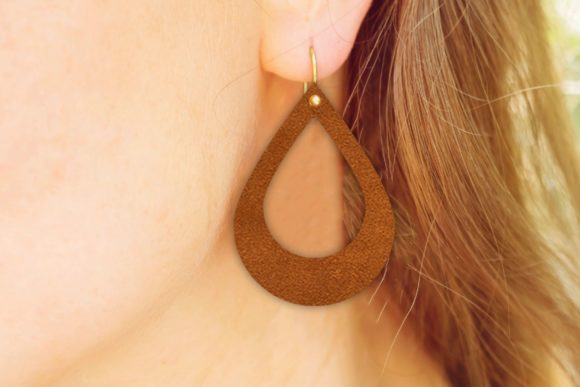
The Earring Template has a minimalist vibe with a focus on shape and form. The design features stylized earring silhouettes that suggest faux leather textures without actually being tactile. This gives it a graphic feel rather than a highly detailed one. It’s perfect for crafters who want to add a touch of fashion-forward flair without overwhelming the fabric with too much stitch density or complexity.
I found the layout intuitive—symmetrical and balanced, which is essential when you're working on something like a tote bag or sweatshirt where both sides need to match. The level of detail is just right; there are no tiny letterings or intricate corners that might be lost in translation during stitching. Instead, the emphasis is on clear outlines and soft fill areas, making it easy to adapt to different thread colors and fabrics.
Real-Life Use Scenarios
This design would work particularly well for a custom embroidered tote bag. Imagine a boutique owner looking to offer personalized shopping bags with a stylish logo or monogram. The Earring Template can serve as a decorative accent or even the main branding element. Its simplicity ensures it doesn’t clash with text or other graphics, and the shapes hold up nicely on medium-weight cotton canvas.
For sweatshirts or t-shirts, the template could be placed on the chest area as a small, impactful emblem. It pairs especially well with modern streetwear aesthetics or as part of a curated line of handmade products for a local shop. When using satin stitch around the outer edges, the design gains a polished finish that feels professional and appealing to customers.
In baby embroidery, the Earring Template could be subtly integrated into a larger scene, such as a nursery wall hanging or embroidered onesie. Its soft lines make it ideal for more delicate projects where boldness isn’t the goal. For holiday gifts, adding this design to a tea towel or apron gives it a festive yet timeless appeal.
Craft fairs and Etsy shops often rely on unique visual elements to stand out. The Earring Template can help differentiate your offerings by offering a signature motif that reflects current trends while staying adaptable across product types. Whether it's an embroidered patch for denim jackets or a printable mockup for digital product previews, this design adds a cohesive visual language to your brand.
Where to Use It Carefully
While the Earring Template is a solid choice for many projects, there are situations where caution is needed. If you’re planning to embroider on stretchy fabric or thin materials, the design’s structure might not hold up as well due to potential distortion. You’ll also want to avoid very dark fabric unless you’re using high-contrast thread colors—otherwise, the design may get lost.
Projects involving curved surfaces, like caps or hats, require extra attention. The symmetrical nature of the design works best on flat areas. If you must place it on a curved surface, consider adjusting the placement or resizing slightly to maintain clarity and proportion.
Another consideration is hoop size. Since the design is relatively compact, it fits within most standard hoops, but if you're scaling it up for a larger piece like a pillow cover or blanket, you’ll need to confirm whether the stitch density remains consistent. Too much expansion can cause stitches to bunch or distort, so always test on scrap fabric first.
Designer Notes for Optimal Results
- Test on scrap fabric before committing to a final project. Especially important for textured fabrics or thick materials.
- Check thread color contrast against your fabric background to ensure visibility and impact.
- Review stitch density settings. While the design is generally light, some sections may benefit from slight adjustments depending on the fabric type.
- Confirm hoop size compatibility. If unsure, scale the design down incrementally until you find a safe range.
- Inspect small details in the design to see how they render after stitching. Sometimes minor imperfections only show up under close examination.
- Use appropriate stabilizer to prevent puckering, especially on stretchier or thinner textiles.
- Consider creating a black and white mockup to evaluate how the design looks without color influence. This helps determine if the silhouette alone will still convey the intended message or style.
- Compare how the design appears on light and dark backgrounds to ensure it maintains its visual balance across different product variations.
- If using this for commercial embroidery, verify the license terms. Not all free digital embroidery files allow for resale or mass production.
Impact on Product Value and Customer Perception
From a customer perspective, the Earring Template adds a sense of sophistication and trendiness to any handmade product. It elevates the perceived value of items like custom apparel or gift tags, especially when paired with quality materials and stitching techniques. Because it's modern and uncluttered, it appeals to a broad audience—from young fashion enthusiasts to boutique shoppers seeking artisanal touches.
On personalized gifts, this design acts as a subtle but effective anchor. Whether you're adding initials or a name beside the earring shapes, the overall composition feels intentional and thoughtfully designed. For branding purposes, it supports brand consistency by providing a repeatable motif that can be used across multiple product categories.
As an embroidery designer, I appreciate how the template enhances giftability and recognition. It’s memorable enough to catch the eye but simple enough to remain timeless. That’s a rare balance in today’s fast-moving design landscape.
Professional Application and Creative Freedom
What makes the Earring Template special is its adaptability. It’s not just another trendy clipart—it’s a machine embroidery design that can be customized in numerous ways. By changing the thread colors, you can turn it into a metallic accessory for luxury items or a pastel version for baby clothes. You could even combine it with other design assets to create layered effects or hybrid motifs.
For apparel decorators and creative entrepreneurs, this means the design can evolve with your brand. One day it might appear on a cap as a discreet label, the next on a nursery decor piece as a playful pattern. That kind of flexibility is invaluable in a craft business or small shop product lineup.
However, don’t assume it works flawlessly in every situation. If you’re using it on a layered garment or anything with heavy seams, the alignment might shift slightly. Always do a trial run and adjust as needed.
Final Thoughts from the Workbench
The Earring Template is a strong addition to any embroidery project toolkit. It’s practical, visually pleasing, and ready to integrate into a wide range of finished products. But like any design, it needs thoughtful application to truly shine.
My advice? Don’t just take the file and go. Evaluate the fabric texture, experiment with fill stitch or running stitch variations if desired, and think about how it complements your existing design assets. If you’re selling it as part of a digital product, make sure to include clear instructions for use and mention the importance of testing on actual materials.
Ultimately, the Earring Template is more than just a pretty image—it’s a smart investment for those who want to stay ahead of trends while maintaining professionalism and customer trust. Just remember to keep your eyes open for the nuances, and let the design speak through your hands.