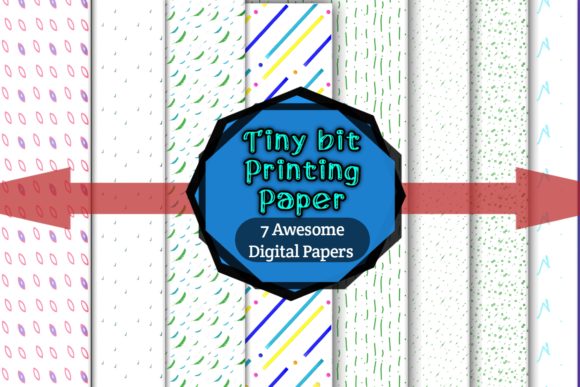
Tiny Bit Digital Printing Papers: A Designer’s Honest Review
As an embroidery designer who has worked with countless digital patterns for custom apparel, personalized gifts, and small shop products, I always approach a new design with a critical eye. Tiny Bit Digital Printing Papers caught my attention not just because of its catchy name, but due to the visual language it conveys. This pattern brings a unique charm that stands out in the world of craft business and handmade product creation. Here’s how I see it fitting into real-world embroidery projects—and where it might need some extra care.
First Impressions: Uncommon Charm and Versatility
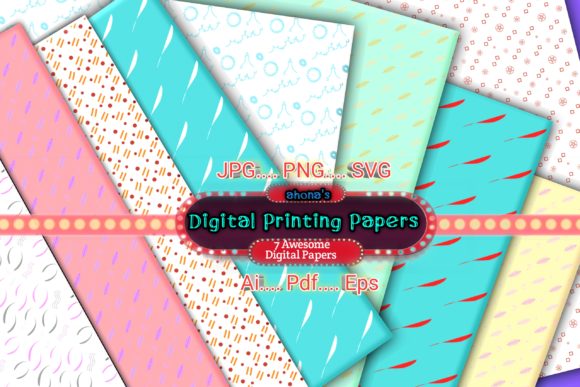
The first thing I noticed when opening the digital embroidery file for Tiny Bit Digital Printing Papers is the whimsical yet refined aesthetic. The layout feels playful, almost like stepping into a cozy little café filled with delicate paper motifs—tiny scrolls, ink drops, floral borders, and soft linework. It’s not your typical embroidered pattern; it carries a sense of nostalgia and elegance that works well across genders and age groups. From a design assets perspective, it’s versatile enough for both casual and boutique-style items.
I immediately thought of using this for a sweatshirt embroidery project for a baby girl’s birthday. The soft curves and intricate details could add a dreamy touch to a onesie or a plush hoodie. But as with any design, especially those labeled as “Graphics,” I knew I had to test it thoroughly before committing to a full production run.
Testing on Real Projects
I decided to try Tiny Bit Digital Printing Papers on a few different materials to gauge performance. First up was a cotton-polyester blend sweatshirt—common in many custom apparel shops. The satin stitch along the edges of the paper motifs looked clean and smooth, while the fill stitches inside the designs were manageable without overwhelming the fabric. On a tote bag made from medium-weight linen, the design stitched beautifully, creating a tactile experience that customers would love. It added texture and dimension, which is great for handmade product presentation.
When applied to a lightweight muslin fabric for a pillow cover, I found that the running stitch sections needed more stabilizer to avoid puckling. That’s something every craft business owner should keep in mind—especially if you're targeting seasonal or holiday embroidery items like tea towels or nursery decor. The design thrives on flat surfaces and breathable fabrics, making it ideal for table cloths, aprons, and even decorative patches.
Where Tiny Bit Shines in Embroidery Projects
- Baby and Kids’ Apparel: The gentle colors and delicate lines are perfect for creating a soft, elegant look on onesies, dresses, or bibs.
- Custom Sweatshirts & Tote Bags: These larger items can showcase the design’s scale and complexity, allowing the motif to breathe and stand out.
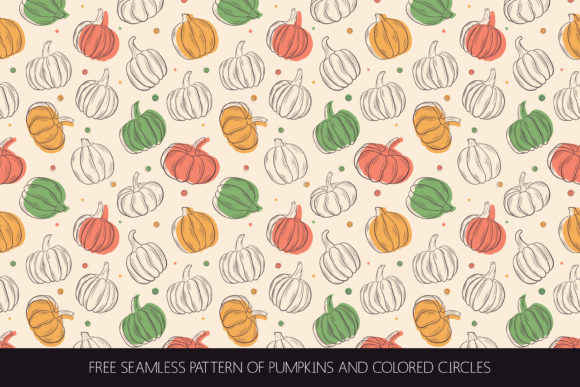
- Table Cloths & Home Decor: With its printable mockup-ready structure, this design fits naturally into home goods like cloth prints, tea towels, and kitchen aprons.
- Etsy Listings & Boutique Branding: As a freebie, Tiny Bit Digital Printing Papers adds instant value to listings. Its uniqueness can help differentiate your small shop product offerings.
- Personalized Gifts: Whether it's a custom embroidered cap or a gift tag with a flourish, this pattern elevates the perceived quality of the personalized gift.
Aesthetic Value and Customer Appeal
Visually, Tiny Bit Digital Printing Papers brings a level of sophistication that feels handcrafted but is easy to reproduce. It doesn’t scream “embroidery,” but rather whispers “carefully curated design.” Customers seem to respond well to subtle, artistic touches—especially in handmade products. For Embrydderie Etsy sellers, this kind of detail can boost buyer engagement and increase the perceived product value. It also helps maintain brand consistency if used across multiple items like pillows, aprons, and greeting cards.
One thing I’ve learned over the years is that stitching clarity often determines customer trust. If the final finished product looks professional and polished, people are more likely to buy again or recommend it. Tiny Bit does well in this department, provided the right setup is in place.
Cautions and Considerations for Real Use
While Tiny Bit Digital Printing Papers is visually appealing, it’s not a one-size-fits-all solution. There are specific scenarios where this design may not perform optimally, and as a professional, it’s important to highlight them.
- Small Hoop Sizes: The detailed nature of the pattern means it won’t fit well in smaller hoops. You’ll want at least a moderate hoop size to allow all elements to be visible and properly stitched.
- Textured or Stretchy Fabrics: The fine lines and corners don’t hold up as well on stretchy or uneven materials. Stick to stable, woven fabrics for best results.
- Thin or Dark Fabrics: The contrast between the thread and the background matters. Thin material can cause shadows or dimming of the design, and dark backgrounds may dull the effect. Always check thread color compatibility before use.
- Curved Surfaces: Patches or embroideries on curved areas like caps or sleeves might distort the pattern unless you adjust the placement carefully.
- Dense Stitch Areas: Some parts of the design have high stitch density. Without proper stabilizer, these areas can pucker or tear, especially on delicate materials.
Designer Notes for Optimal Results
Before incorporating Tiny Bit Digital Printing Papers into your next project, here are a few things I recommend doing:
- Test the design on scrap fabric to observe how it reacts to your machine and chosen thread.
- Review stitch density and adjust if necessary, particularly in fill or satin-stitched areas.
- Confirm the recommended hoop size—if it’s not specified, start with a mid-sized hoop and adjust based on results.
- Inspect small details under magnification to ensure they translate well after stitching.
- Try a black-and-white mockup to see how the design will appear on darker or muted fabrics.
- Use appropriate stabilizer, especially on thin or stretchy materials.
- If selling finished products or digital embroidery files, double-check licensing terms to avoid legal issues later on.
Final Thoughts for Crafters and Business Owners
Tiny Bit Digital Printing Papers isn’t just another embroidery design in the marketplace—it’s a thoughtful graphic that speaks to a specific mood and style. As a designer, I appreciate how it blends creativity with practicality. It’s suitable for both personal and commercial embroidery projects, but it demands attention to detail and fabric selection.
This pattern works best on items where the design is central to the appeal—like a tote bag or a baby dress. In such cases, it enhances the giftability and recognition of the item. However, it’s less suited for fast-moving, mass-produced goods that require durability through frequent washing or wear.
For creative entrepreneurs and handmade shop owners, Tiny Bit offers a fresh way to elevate everyday items. Just remember to consider the context: fabric type, stitch coverage, and end-use. When used wisely, it can become a signature element in your embroidery project lineup.
In summary, Tiny Bit Digital Printing Papers is a strong addition to your design library, especially if you’re looking to offer unique Graphics in the Freebies category. Treat it with care, and it will reward you with beautiful, standout pieces that reflect your professionalism and creative flair.